搜索此博客

2026年1月26日星期一

How to Maintain and Care for A Load Cell Sensor?

As a precision core electronic component in a weighing system, the load cell directly determines the accuracy and stability of weighing data. Regular, standardized, and effective maintenance during daily use helps ensure the load cell sensor maintains optimal measurement accuracy and operating condition over the long term.

The following content systematically introduces the key points of load cell maintenance from multiple aspects, including installation specifications, weighing operation, storage requirements, and cleaning and maintenance, helping you extend the service life of your weighing system and improve weighing reliability.

Load Cell Sensor Maintenance Guide

Correct Installation

Use original, compatible mounting accessories whenever possible. Ensure the mounting surface is flat and clean to ensure even force distribution; a level can be used for adjustment. Secondly, pay close attention to aligning the load cell with the sensor's design axis; misalignment will cause errors. Tighten bolts to the manufacturer's specified torque; overtightening will damage the load cell, while undertightening will cause bolt instability.
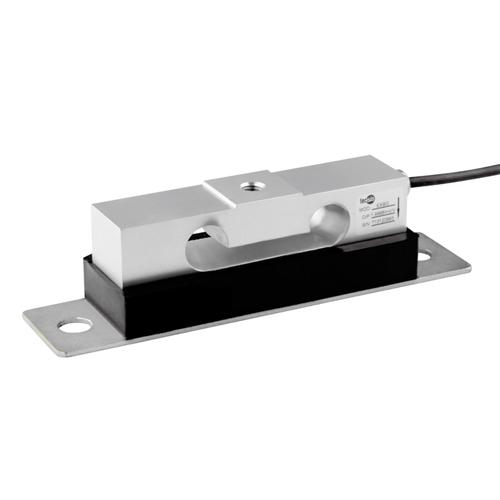
F9807 single-point parallel beam load cell

Load Caution

During use, never exceed the load cell's rated capacity and safe overload range. Overloading will directly damage the load cell sensor. If necessary, mechanical limit switches or overload limiters can be installed to protect the weighing equipment.

Proper Storage

Store in a dry, temperature-stable environment. Keep the protective cover and packaging intact as much as possible. Do not pile heavy objects on top of the load cells, as this will significantly shorten their lifespan and accuracy.

For installation in humid, corrosive, or other harsh environments, stainless steel load cells with a high waterproof rating should be preferred.

Regular Inspection and Cleaning

After the weighing system has been running for a period of time, regularly inspect the load cells for mechanical damage or deformation, loose bolts, and cracked cables, etc., and replace or maintain them promptly. Wipe clean with a soft cloth to prevent dirt buildup, which can interfere with equipment operation.

The above are all the precautions for load cells from installation to daily use and maintenance. If you need to wholesale load cell sensors, please visit OFweek for a complete range of load cells with ample stock.

Related Articles

How to Choose a Load Cell? 

What are the Types Of Load Cells? 

What Is A Load Cell?

2026年1月21日星期三

How to Choose a Load Cell?

Load cells are crucial components of various load systems, determining the accuracy and efficiency of load or force measurements. They are widely used in industrial automation, aerospace, and medical fields.

If you are struggling to wholesale load cells for your load system upgrade, please read the following to help you quickly determine the appropriate load cell.

5 Factors to Consider When Choosing a Load Cell

Determine the Required Load Cell Type

There are many types of load cells, each with its specific advantages and applications. You need to clearly define the type of force your load system will measure, such as tension, compression, shear, or bending. Accurately identifying the force type will help you quickly determine the appropriate load cell. If you are unfamiliar with the classification of load cells, you can read the previous articles on types of load cells.

Determine the Required Measurement Range

Determine the required load cell range for your load system. Ideally, choose a capacity 20% to 30% higher than the maximum expected load to avoid overload. Size is also important; it needs to be perfectly compatible with your load system.

Accuracy Requirements

For load systems used in medical and aerospace applications, high-precision load cells are required to ensure the reliability and safety of measurement results. In general industrial or logistics weighing scenarios, load cells with higher cost-effectiveness and moderate accuracy requirements can be selected based on actual needs.

Application Scenarios

The working environment affects the lifespan and accuracy of load cells. For applications involving water, corrosive substances, or high pressure, waterproof, explosion-proof, and corrosion-resistant load cells should be selected. The UPFT1 tank load cell maintains high performance even in harsh environments, making it ideal for such application scenarios.

UPFT1 stainless steel tank load cell

Wholesale Load Cells from Professional Channels

Finally, it is advisable to wholesale load cells from professional platforms to ensure product quality and after-sales service.

Following these principles when wholesaling load cells will help you efficiently select the best load cell for your application.

OFweek is a professional platform providing high-quality electronic components, supplying a complete range of load cells, and offering excellent after-sales and logistics services. Welcome to visit and inquire; we provide professional pre-sales consultants.

Related Articles

What are the Types Of Load Cells? 

How to Choose a Liquid Level Sensor?

What Is A Load Cell?

What is an Electrochemical CO Sensor?

An electrochemical carbon monoxide sensor uses current or voltage signals to detect CO concentration in the air. It is a core component of c...