An electrochemical carbon monoxide sensor uses current or voltage signals to detect CO concentration in the air. It is a core component of carbon monoxide alarms, industrial safety systems, and portable gas detectors.
Working Principle of an Electrochemical CO Sensor
An electrochemical carbon monoxide sensor mainly consists of a working electrode (responsible for the carbon monoxide oxidation reaction), a counter electrode (responsible for the reduction reaction), an electrolyte, and a permeable membrane.
When carbon monoxide gas enters the sensor, an oxidation reaction occurs at the working electrode, releasing electrons. These electrons flow through the external circuit, forming a current whose magnitude is proportional to the CO concentration, thus achieving accurate measurement.
Features of an Electrochemical Carbon Monoxide Sensor
High Sensitivity
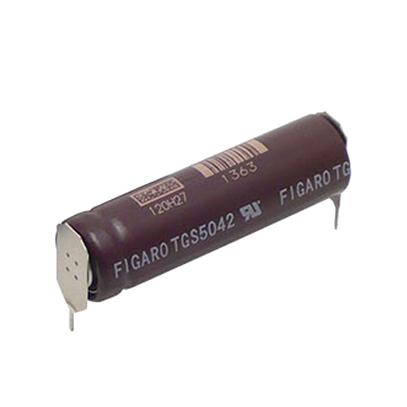
The electrochemical CO sensor directly converts the chemical reaction into an electrical signal. Its optimized internal structure allows for a wide measurement range, enabling the detection of extremely low gas concentrations. The TGS5042 CO sensor can detect 0–10,000 ppm CO with a response time within 60 seconds.
High Precision
Strong anti-interference capability and high selectivity effectively filter cross-gas interference, ensuring measurement accuracy.
Low Power Consumption
No additional heating element is required, and the operating current is extremely low, typically powered by a battery.
Long Lifespan
Its internal breathable membrane reduces damage from chemicals, thus extending its lifespan. Most electrochemical carbon monoxide sensors have a lifespan of approximately 2-3 years, while the TGS5042 CO sensor can last up to 10 years.
OFweek Supplies a Variety of Electrochemical Carbon Monoxide Sensors
OFweek supplies electrochemical carbon monoxide sensors online, with numerous models and brands to choose from. Each sensor comes with a detailed datasheet for your reference when purchasing. Welcome to the OFweek official website for more information.
Related Articles