搜索此博客

2026年1月14日星期三

How to Choose a Liquid Level Sensor?

Choosing the right liquid level detection sensor depends on your application requirements, including the type of liquid being measured, the application environment, and accuracy standards.

Factors to Consider When Purchasing a Liquid Level Detection Sensor?

Define the Type of Liquid to be Measured

Water/Non-corrosive Liquids

For detecting common liquids in water tanks, reservoirs, and HVAC systems, float-type liquid level sensors are the first choice. These liquids are stable and do not react. Float-type liquid level sensors are also inexpensive and have a long lifespan, making them ideal for detecting common liquids.

Highly Corrosive/Hazardous Liquids

For some chemical liquids, strong acids, and alkalis, non-contact liquid level sensors should be prioritized. For example, ultrasonic liquid level detection sensors and radar liquid level sensors can accurately measure liquid level data without direct contact with the liquid. 

GRLM-70 series guided-wave radar level meter

The GRLM-70 series radar level meter is a good choice, with a measurement range of up to 40 meters and 10 models available for different scenarios.

Foamy/Thick Liquids

Liquids containing foam, sediment, or high viscosity can interfere with certain sensing technologies. Radar waves can penetrate foam and only reflect off the liquid, making radar level sensors ideal for non-contact measurement in foamy and heavy steam environments. Capacitive level sensors can measure viscous liquids non-contactly or via probes, unaffected by sediment buildup.

Application Environment

For applications in extreme weather or harsh environments, sensors with high protection ratings and strong resistance to environmental interference should be selected.

Accuracy

Basic level detection: Float switches or fiber optic level sensors are usually sufficient.

Continuous level measurement: Ultrasonic, radar, capacitive, or pressure level sensors provide real-time level data.

High-precision applications: Sensors with minimal error range and long-term stable performance are required.

In summary, when selecting a level sensor, the type of liquid being measured, the application environment, and the required accuracy should be fully considered to ensure optimal matching. OFweek professional electronic component mall, supplies various level sensors. Welcome to visit our website for more information and consultation.

Related Articles

Why are Liquid Level Sensors So Important?

What are the Types of Liquid Level Sensors?

Differences between Liquid Level Sensors and Liquid Level Switches 

2026年1月11日星期日

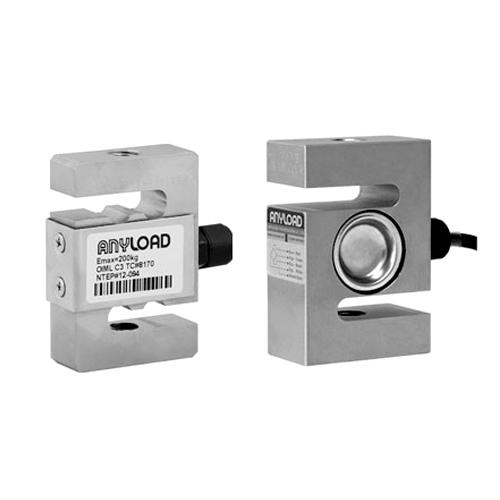
What is a Load Cell?

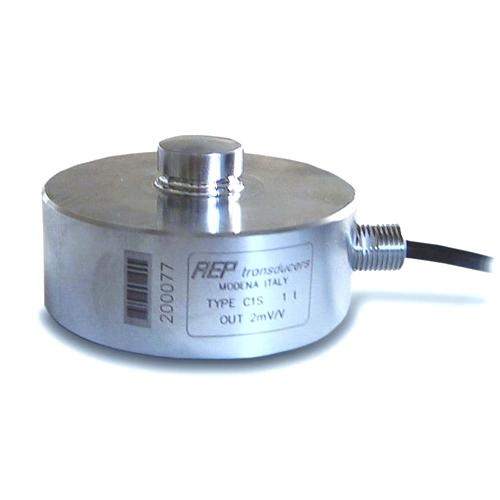
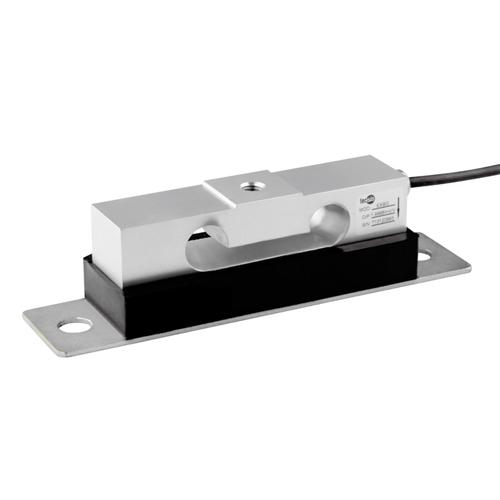
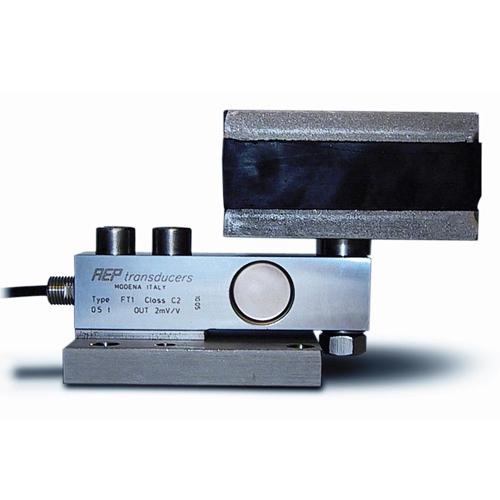
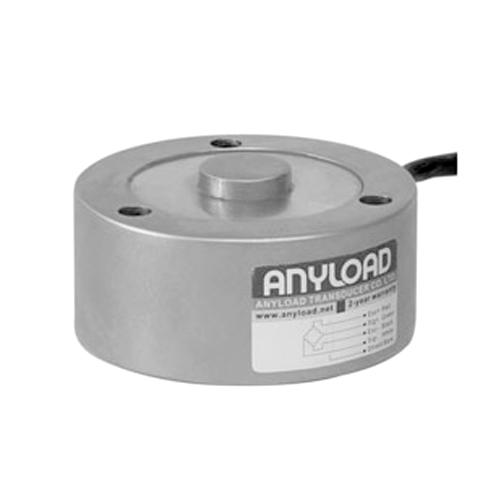
A load cell that converts the weight (force) signal applied externally into a measurable electrical signal (such as voltage, current, or digital signal). It is a core electronic component of electronic scales, industrial weighing systems, and intelligent logistics systems.

How Does the Load Cell Work?

A load cell primarily consists of elastic elements, such as springs or beams, to withstand external forces, strain gauge sensing elements, signal processing circuits, and signal output devices, including displays or data interfaces.

When an external object is placed on the sensor, it causes deformation (compression or tension) of the elastic element inside the sensor. This deformation results in a slight change in resistance, which in turn changes the output voltage of the bridge circuit. This voltage signal is then amplified and converted into a digital signal, ultimately mapped to a weight value.

651HS stainless steel single-point load cell

OFweek Supply Low-cost Stainless Steel Load Cells

Load cells are a crucial component of electronic scales, enabling accurate measurement and quality control, and are widely used in industrial production, batching control, logistics, cargo weighing, patient weight monitoring, and building material measurement, among other applications. 

If you're still looking for high-quality, affordable load cells, visit OFweek Mall. Here you can find load cells with a wide range of measurement ranges to meet your various application needs. All are supplied by the original manufacturers, offering affordable prices and customization services. Welcome to OFweek for more information.

Related Articles

Why are Liquid Level Sensors So Important?

What are the Types of Liquid Level Sensors?

Differences between Liquid Level Sensors and Liquid Level Switches 


2026年1月6日星期二

Why are Liquid Level Sensors So Important?

Liquid level sensors are widely used in various industrial equipment and liquid monitoring systems. They are used to monitor and control the levels of liquids, solids, and gases in tanks, silos, reservoirs, and pipelines in real time. They help ensure safety, efficiency, and reliability in numerous industries. Here are the reasons why liquid level detection sensors are important.

Safety Protection

Liquid level sensors are the first line of defense against spills, leaks, and dry-burning accidents. They can detect abnormal liquid levels promptly, helping to prevent overfilling, leaks, and pump idling, reducing equipment damage or safety hazards.

Maintaining appropriate liquid levels when handling flammable, corrosive, or hazardous liquids can effectively reduce the risk of fire and chemical exposure.

Improved Industrial Automation

Liquid level sensors are a key component in automated control systems. They provide accurate real-time data, enabling systems to automatically control filling, draining, and metering processes, ensuring that liquids are fully utilized. Stable and accurate liquid level control improves production consistency, reduces human intervention, and thus improves the quality of industrial production.

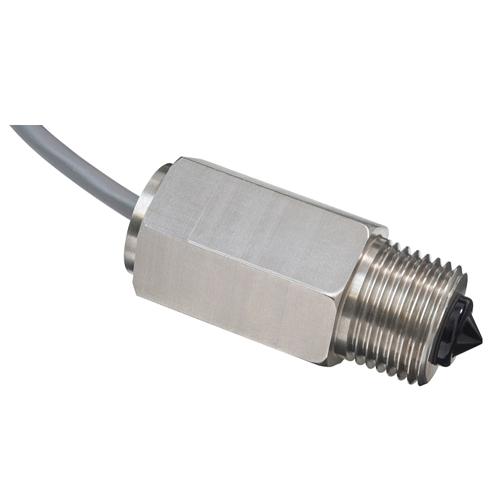
LLHPA650L1 liquid level detection sensor

Reduced Operating Costs

By using the liquid level detection sensor, businesses can effectively prevent liquid leaks and avoid material waste. Secondly, it can prevent empty tanks, reducing downtime.

Protecting Equipment

Many industrial systems rely on liquids for cooling, lubrication, or operation. Insufficient liquid levels can cause pumps, motors, and other equipment to overheat or malfunction. Liquid level detection sensors ensure that equipment operates under safe conditions, thereby extending its lifespan and reducing maintenance or replacement costs.

In short, liquid level sensors play a vital role in various industries, especially in industrial systems, where they are a key component ensuring the safety, efficiency, and sustainable development of industrial systems. OFweek supplies a wide range of liquid level detection sensors; inquiries are welcome. We provide excellent pricing and logistics services.

Related Articles

What are the Types of Liquid Level Sensors?

Differences between Liquid Level Sensors and Liquid Level Switches 

What is a Liquid Level Sensor?

How to Choose a Liquid Level Sensor?

Choosing the right liquid level detection sensor depends on your application requirements, including the type of liquid being measured, the...